

GM says supplier changes and an improved internal spring addressed a major source of cylinder deactivation lifter problems. The new 2027 Chevrolet Silverado 1500 and GMC Sierra 1500 V8s still use Dynamic Fuel Management, or DFM, and carry over the previous generation’s lifter design.
That explanation comes from Ian Stahl, an assistant chief engineer at GM, in a Getty’s Garage interview published November 5. The cylinder deactivation discussion begins around 19:43, with the answer about the lifter changes starting at 21:15.
How GM says it fixed the lifter problem
 Engine assembly at GM’s Flint plant. (Photo courtesy of General Motors)
The engineer acknowledged that GM had experienced lifter failures in customer vehicles. He attributed many of those problems from roughly four or five years earlier to supplier quality, specifically poorly formed wire.
GM subsequently made changes to its suppliers, he said, placing that work at approximately four years ago. He also said the company had seen little warranty activity since then. He did not provide claim totals or failure rates in the interview.
The other change he described was an improved spring inside the lifter’s deactivation mechanism. He explained that, during deactivation, the lifter continues to follow the camshaft while the pushrod does not move. The spring is part of the mechanism that makes that possible.
His assessment was that GM had corrected that spring problem and that the DFM system itself was sound.
“It’s a problem that’s behind us, I think,” he said.
Why cylinder deactivation stays in the new V8s
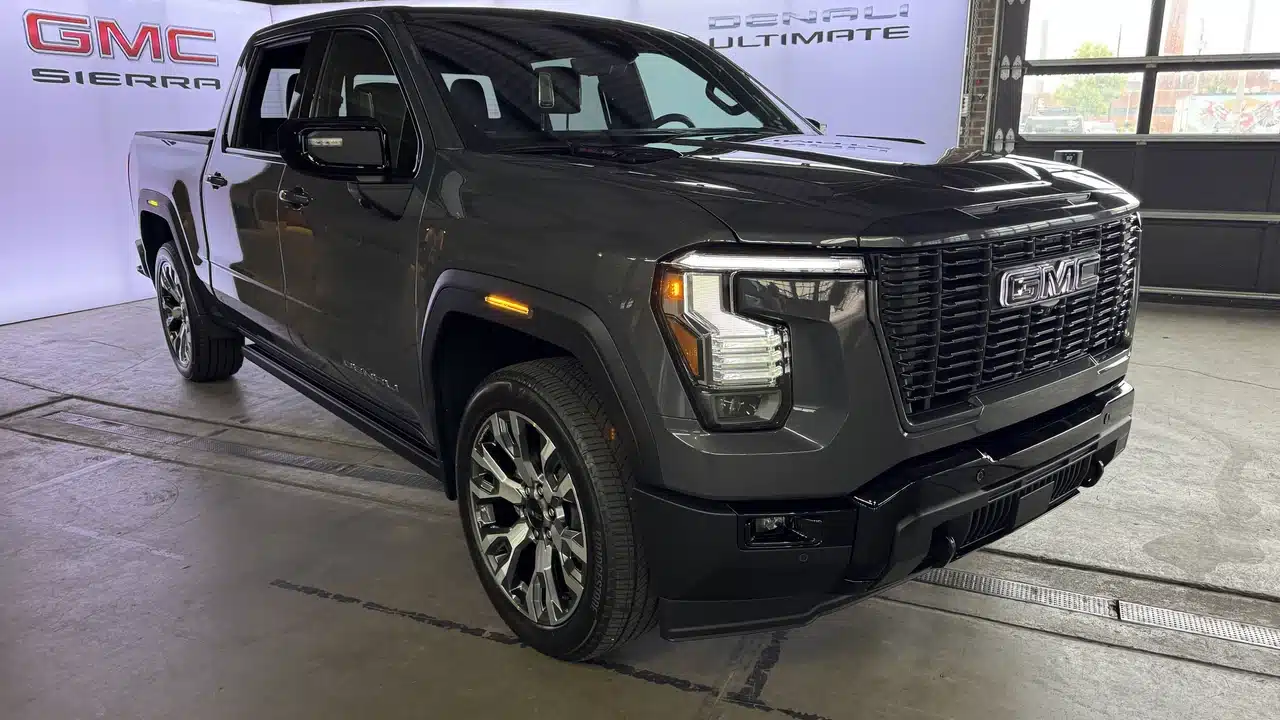 The 2027 GMC Sierra 1500 Denali Ultimate. (Photo: Tim Esterdahl)
GM’s reason for retaining DFM comes down to how much torque a truck needs at a given moment. The engineer explained that a driver does not always need all eight cylinders producing power. Reducing the number of cylinders firing lets the remaining cylinders operate more efficiently while meeting that demand.
He also connected the new engines’ larger displacement to DFM operation. More torque from each cylinder allows the engine to stay in reduced-cylinder modes longer, he said, giving GM more opportunities to use the system for fuel savings.
The 5.7-liter L76 replaces the 5.3-liter V8, while the 6.6-liter L78 replaces the 6.2-liter. GM’s engine announcement confirms both gain displacement through a 6-millimeter increase in piston stroke. The smaller engine makes 402 horsepower and 428 pound-feet of torque; the larger one produces 481 horsepower and 501 pound-feet.
Our earlier 2027 Silverado and Sierra V8 report covers the broader engine changes, including the revised lubrication system and combined port and direct fuel injection.
What truck buyers should take from the explanation
 The 2027 Chevrolet Silverado 1500 High Country cabin. (Photo courtesy of General Motors)
The answer gives buyers specific changes to consider: supplier improvements and a revised internal spring, with the familiar lifter-based DFM system continuing into the next generation. The engineer described corrections made before the 2027 trucks, rather than a completely new cylinder deactivation system arriving with them.
His confidence and warranty comments remain GM’s assessment. The interview did not identify the affected suppliers, replacement part numbers or an exact production cutoff. It also did not establish that every previous lifter failure had the same cause.
Long-term ownership will show how the new V8s hold up. For now, GM’s explanation is that it addressed the component and supplier problems while keeping cylinder deactivation for its efficiency benefits.
 Tim Esterdahl