The Ford Motor Company is recalling select 2026 models after determining that bad software coding was introduced during an update to the torque repair carts used to perform offline repairs at certain assembly plants. Filed with the NHTSA as campaign 26V550, the recall comprises only 23 vehicles in the US market.
While the headline number is tiny, the nature of the mistake is thoroughly interesting. Ford says that each affected vehicle contains exactly one suspect joint, and that joint can be located in several wildly different parts of the vehicle. Ford says the suspect carts used for offline verification received software version 1.13.1.9 on February 25, 2026.
The update contained a coding error that makes the system close a repair concern by itself even though the required torquing operation had either not been completed or had been bypassed. FoMoCo discovered the problem on May 8, 2026, at its Chicago Assembly Plant, when operators performed a repair using one of the suspect torquing carts.
Dearborn’s favorite son promptly reviewed production records from several other plants. The audit covered the likes of the Mustang and Mustang Mach-E, Explorer and Aviator, Bronco Sport and Maverick, and the F-150. The recall documentation reads that Ford confirmed improper torque values for 23 vehicles.
The company hasn’t received any field reports or warranty complaints potentially related to the recall condition, which singles out 19 possible joint locations. On the 2026 model year Bronco Sport, the sole loose joint may involve the liftgate handle, C-pillar garnish, speaker assembly, engine cover, fuel tank shield, windshield washer fluid bottle, or the rear window’s wiper arm.

Photo: Ford
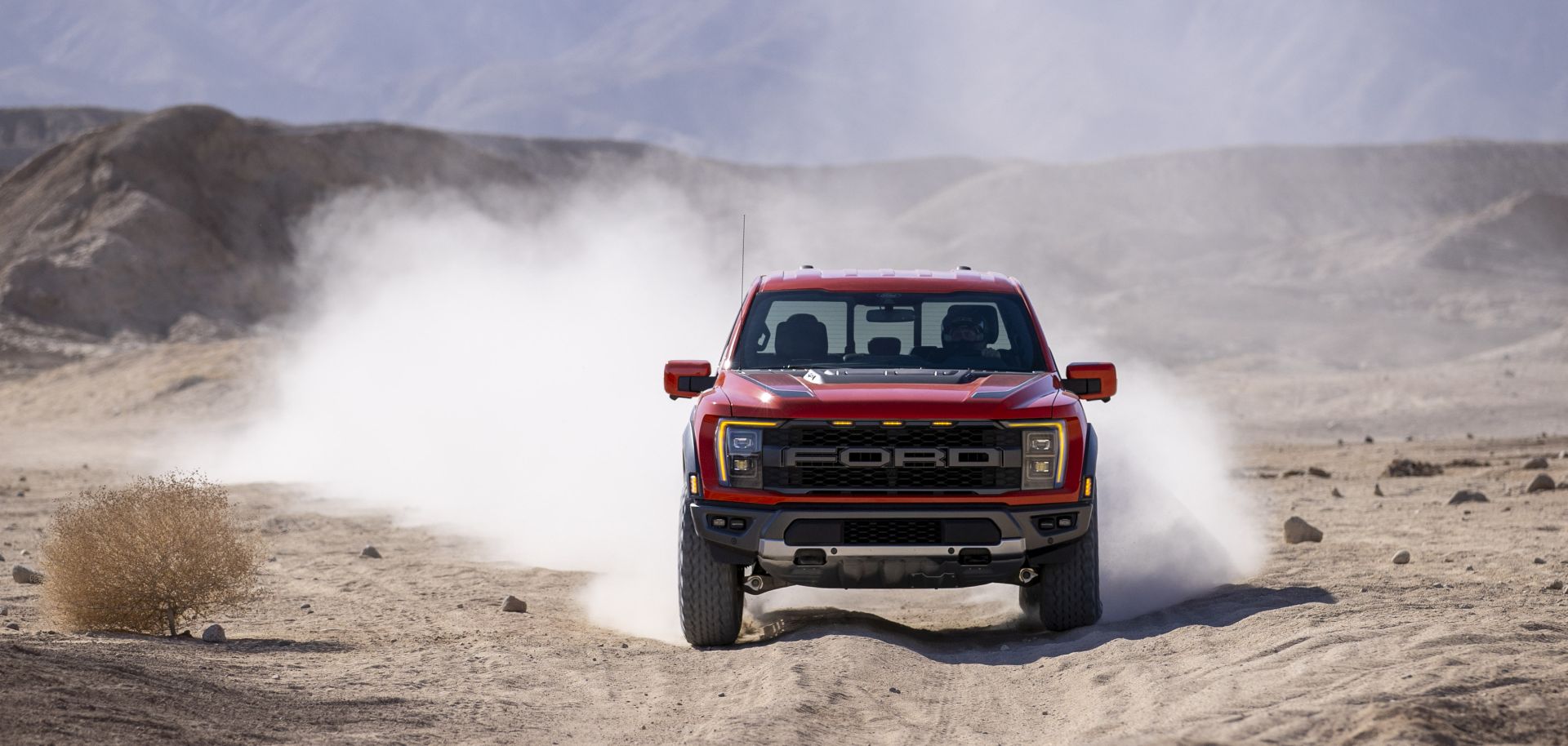
Potentially affected Maverick joints include the door latch, air deflector, instrument panel bracket, luggage rack tie-down, seatbelt pretensioner, tailgate access panel, battery cable, and front strut to turret housing. Then there’s the F-150, with problem areas that include the center high-mount brake lamp, seats, air conditioning liquid line, and front grille.
Given the aforementioned information, this is why an otherwise tiny recall can get serious. Ford says that unsecured parts increase the risk of a crash and injury. There is also the risk of fire due to the potentially loose air conditioning liquid line that could easily contact underhood components. The fix, however, is very simple.
Customers will be instructed to bring their vehicles to authorized dealers, where service technicians will inspect all relevant joints for the presence of the required positive retention mechanism. Techs must also verify torque. Depending on what they find, the joint will be retorqued while the retention mechanism may be repaired or replaced as necessary.
Ford expects affected customers to be mailed later in September 2026. The affected VINs become searchable on the National Highway Traffic Safety Administration’s website on August 26.