
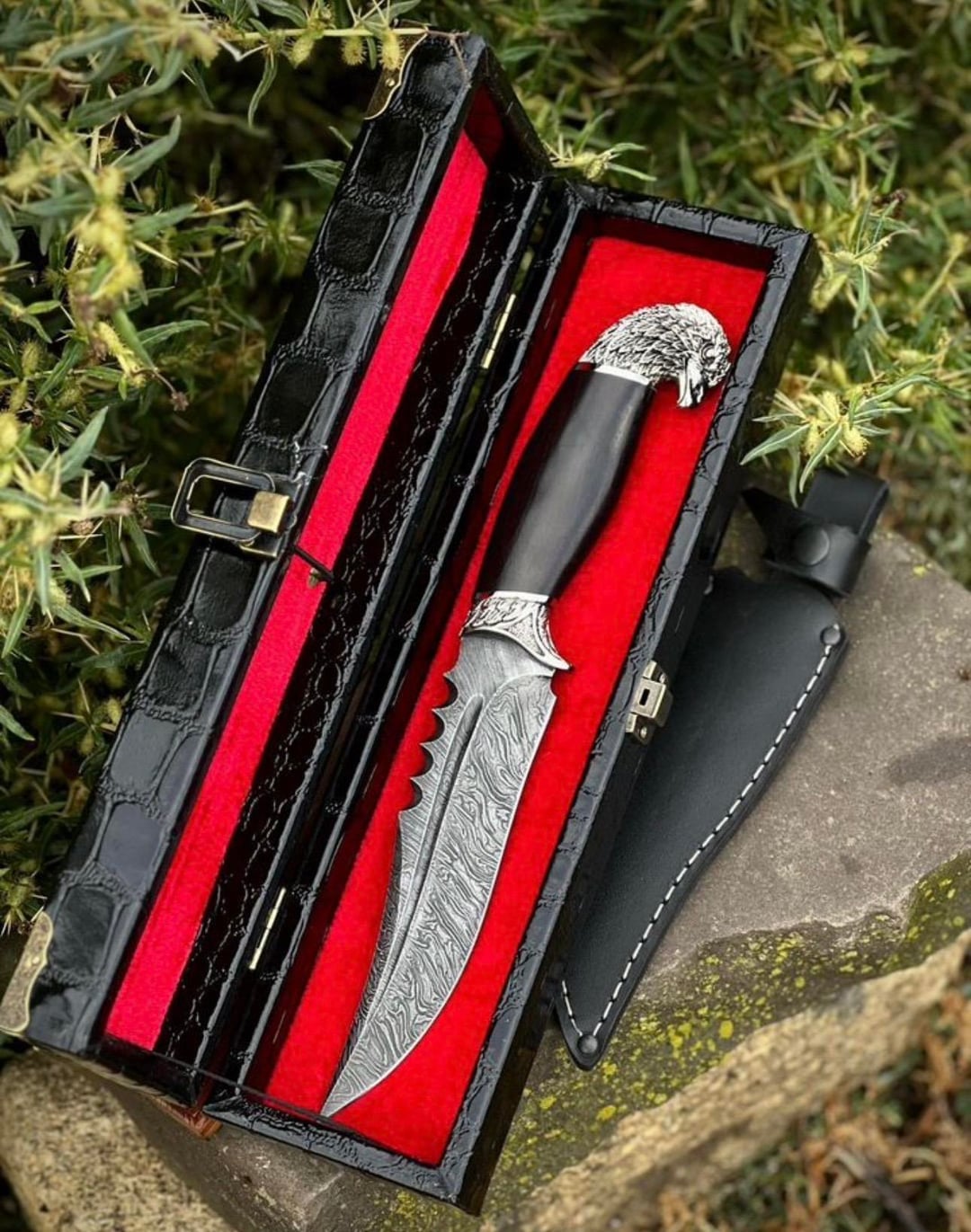
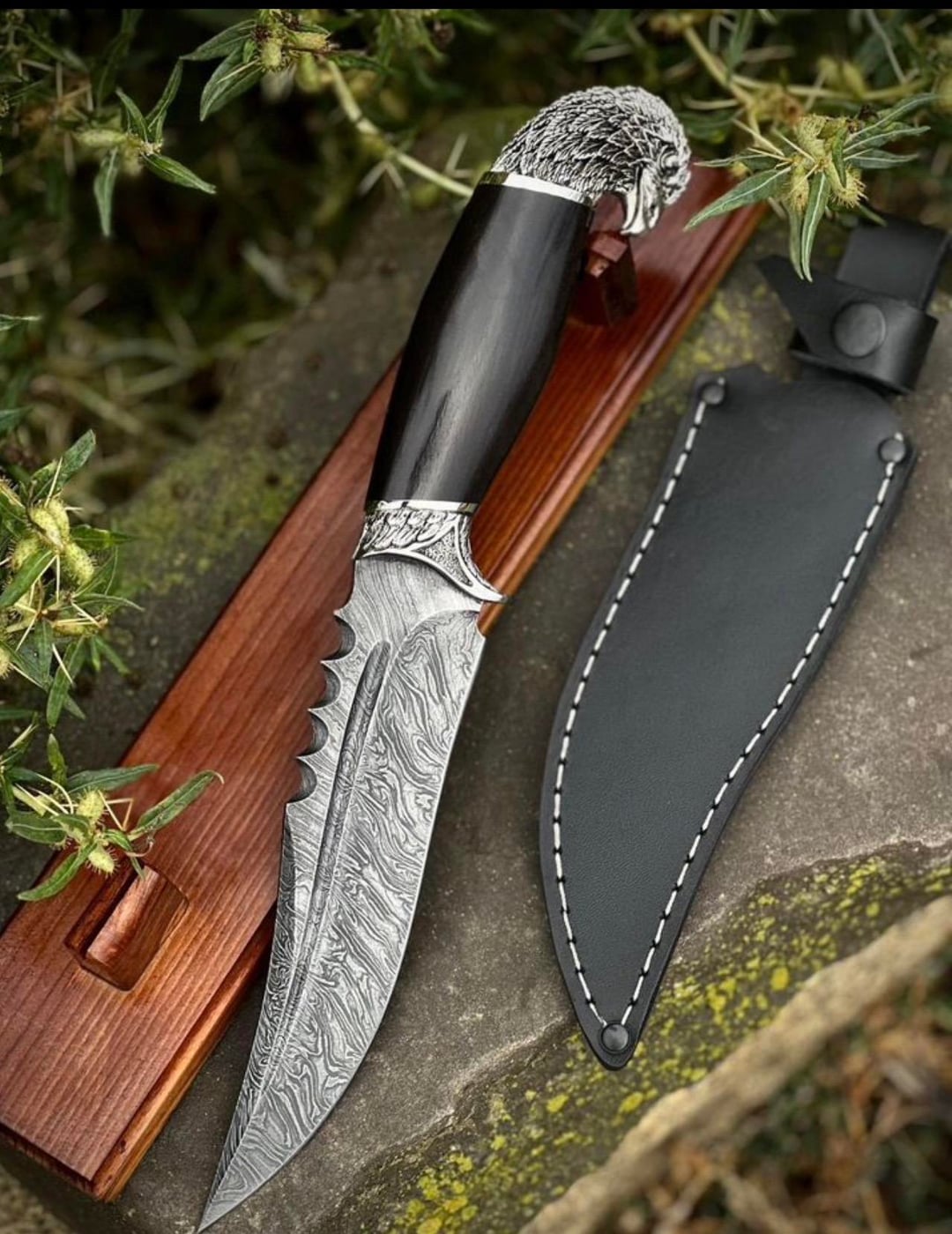
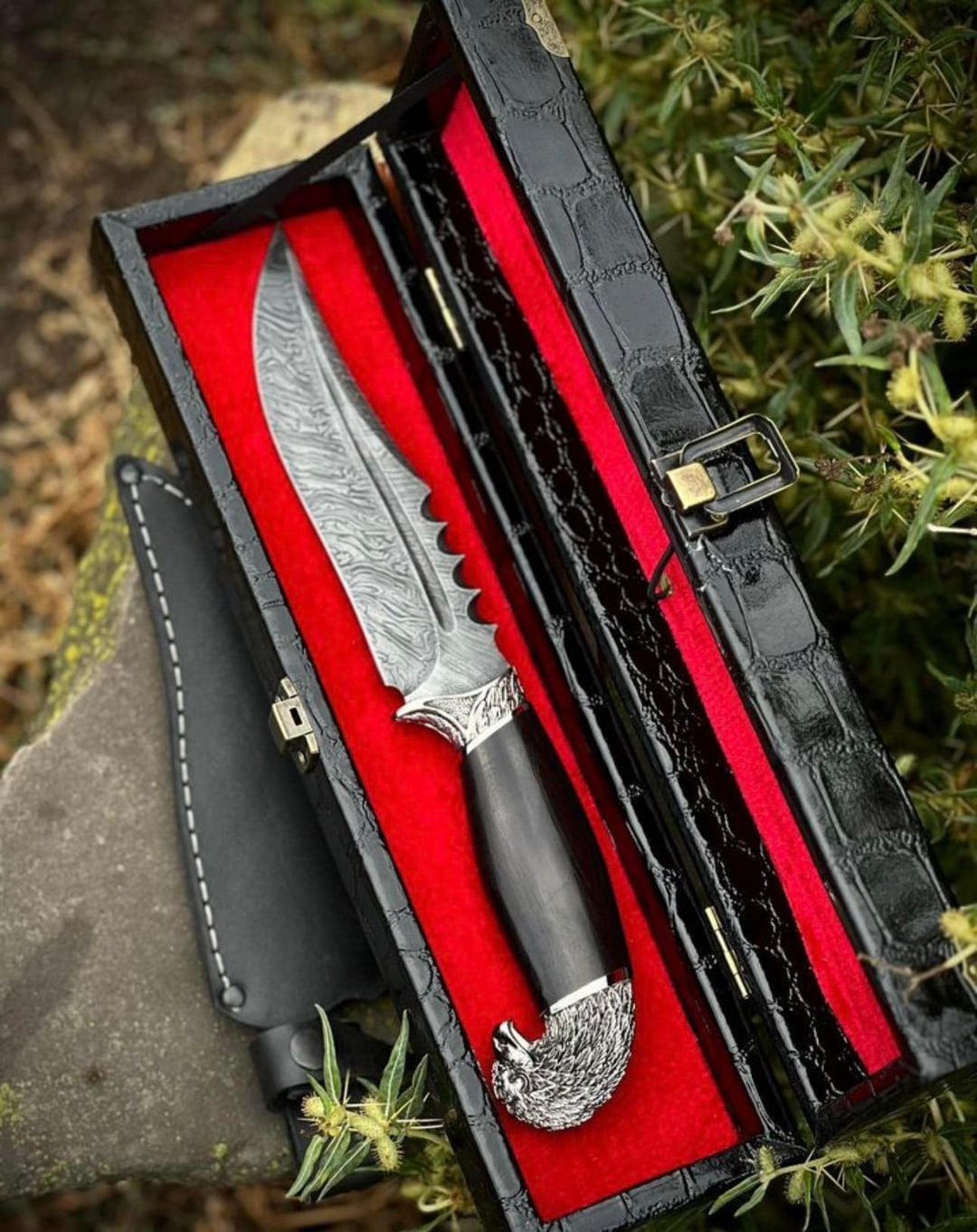
While the name "Damascus steel" often evokes images of Middle Eastern blades, its mastery also flourished in the Caucasus, a region with a metalworking tradition stretching back millennia. Among the most distinctive forms to emerge from this enduring craft is the Kizlyar "Orlan" knife, a piece that transcends mere utility to become a potent cultural artifact.
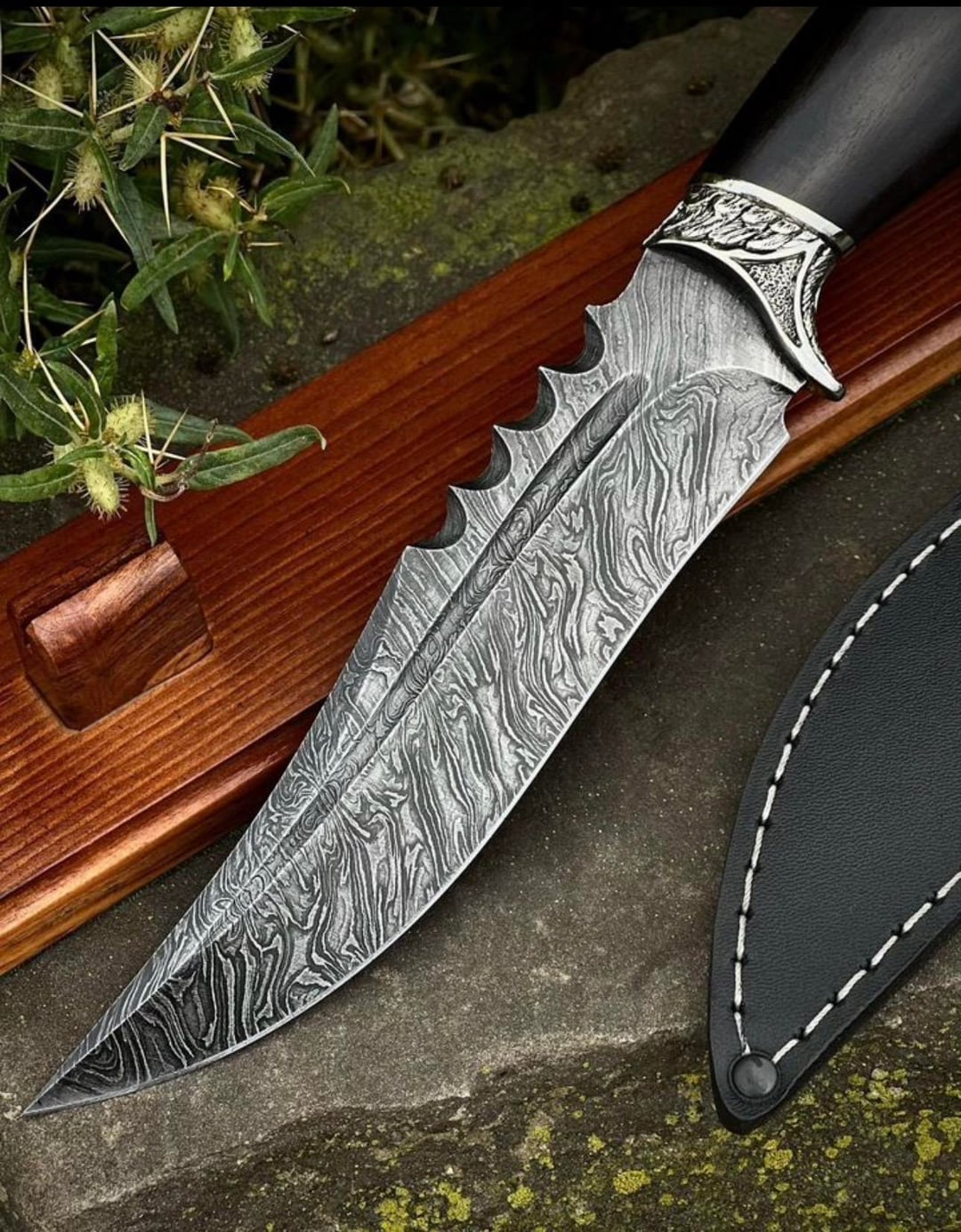
Forged in the historic city of Kizlyar, Dagestan, known as a center for high-quality cold weapons production, the Orlan's true distinction lies in its materials and symbolism. The heart of the piece is its blade, crafted from traditional Damascus steel. This is no simple alloy; it is the product of a laborious, centuries-old technique involving the repeated folding and forge-welding of different steels. Each knife is unique, its surface adorned with a mesmerizing, non-repeating pattern—a testament to the artistry and skill of the craftsman. The process itself, passed down through generations, ensures that every Oplan is not just a tool, but a tangible link to a rich heritage of craftsmanship.
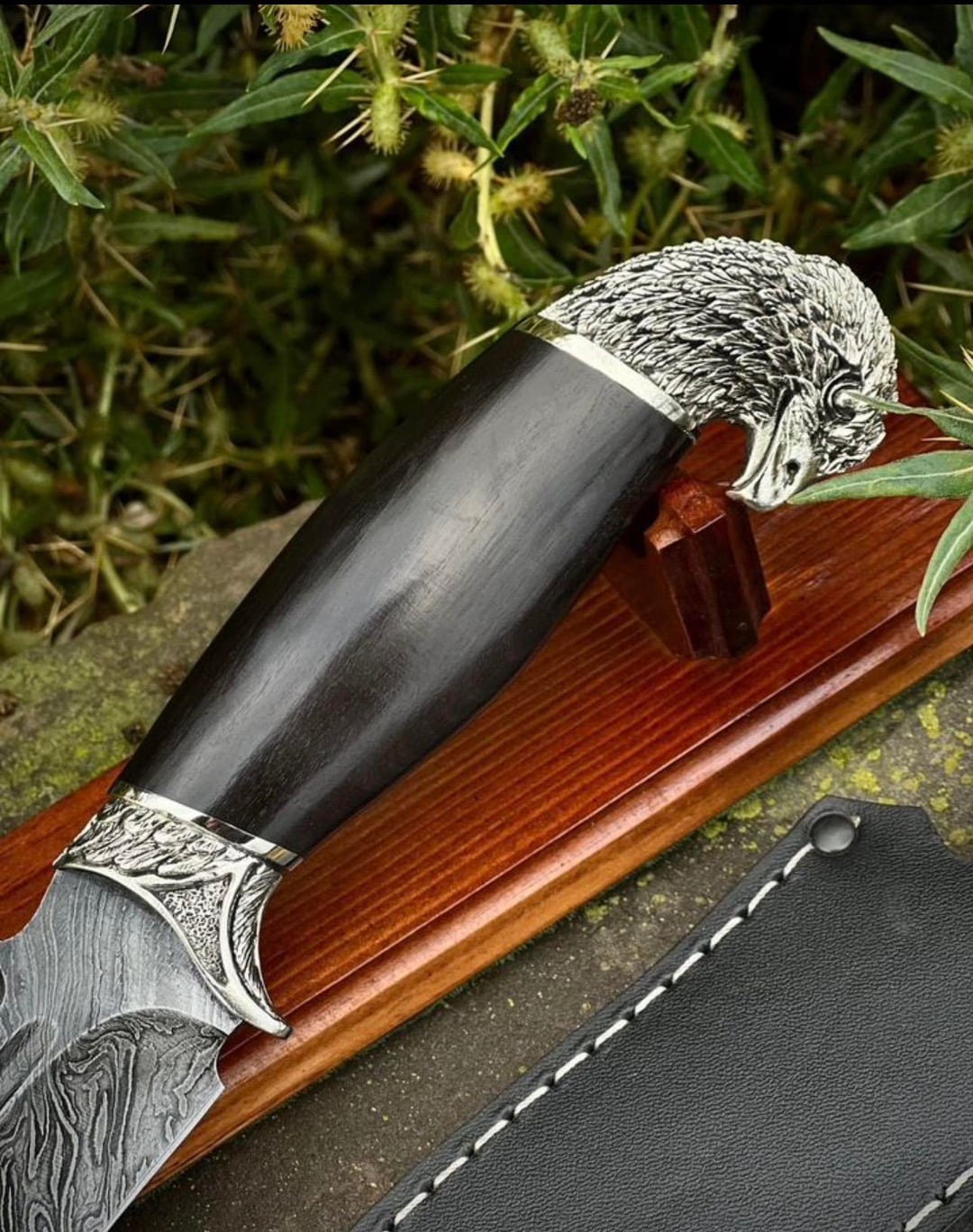
But the story doesn't end there. The Oplan is further defined by its striking hilt, shaped like a grasping eagle. This is far more than a stylistic flourish. In the cultures of the North Caucasus, the eagle is a powerful archetypal symbol. Found in ancient iconography and local traditions, including those of the Avars and Kumyks, the eagle represents strength, sovereignty, freedom, and nobility. To hold a knife with such a hilt is to connect with these timeless values. It transforms the object from a simple implement into a statement of character.
This combination of formidable material and potent symbolism makes the Orlan not just a tool, but a statement piece. Its weight in the hand, the perfect balance, and the way the light dances across the unique Damascus pattern all contribute to an experience that inspires respect and commands attention. For this reason, it has long been considered an ideal gift for those who appreciate history, art, and fine craftsmanship.
I share this because I find the story behind these knives fascinating and believe others interested in history, art, or fine craftsmanship might too. If you'd like to learn more about where one can be found, I can provide a contact in the comments.
by Apprehensive_Pea2139
1 Comment
The AI writing style is still so bizarre and funny to me