
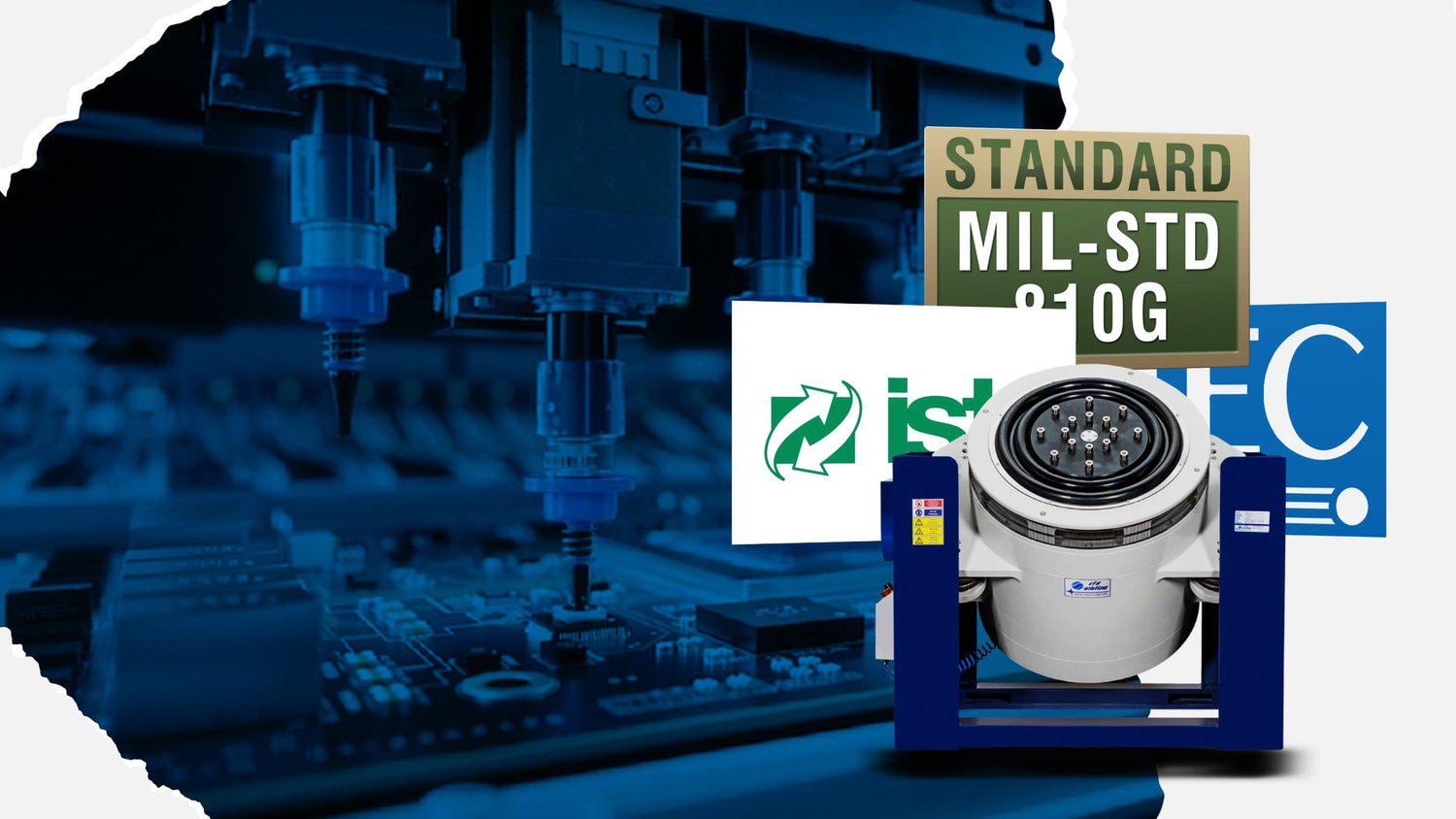
Because its relevant – everybody drops lights. I particularly want to point out ISO 16750-3 as it covers elecrtronics in use on transporation. Stuff has to take a beating and survive, like EFI computers, wiring, sensors, even a radio in the dashboard. In the day when you turned one on you could see tubes warming up behind the slots to let out the heat.
These standards are the kinds of things that keep stuff from breaking in use – MIL STD 810-G is another that comes up with some gear, too.
If you drop a flashlight onto a concrete floor from four feet – like working in your garage – you sure don't need it to go dark and you have to break out the next box you bought a dozen of. As a taxpayer you don't want a mechanic fixing a HMMV to spend money over and over, either.
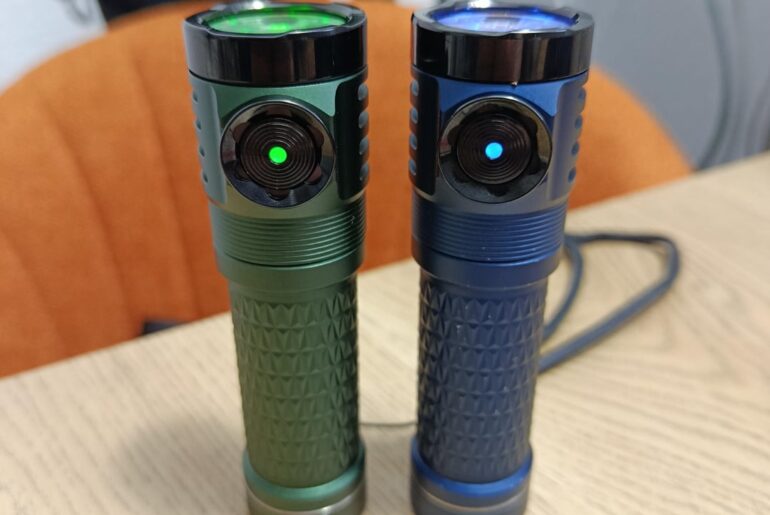
I'd like flashlight makers to start using these standards on their PRO grade lights – same as watch manufacturers – especially for LEO/MIL, caving, rescue etc. There is a big market and nobody wants completely unknown equipment to use in serious circumstances. So far it seems all we get is word of mouth.
https://www.etssolution.com/applications/a-deep-dive-into-vibration-test-standards-across-industries
by SetNo8186

2 Comments
OP, have you watched Werkz Holsters’ destructive light tests?
most of us go by reputation for durability. zebralight, fenix, surefire, etc.