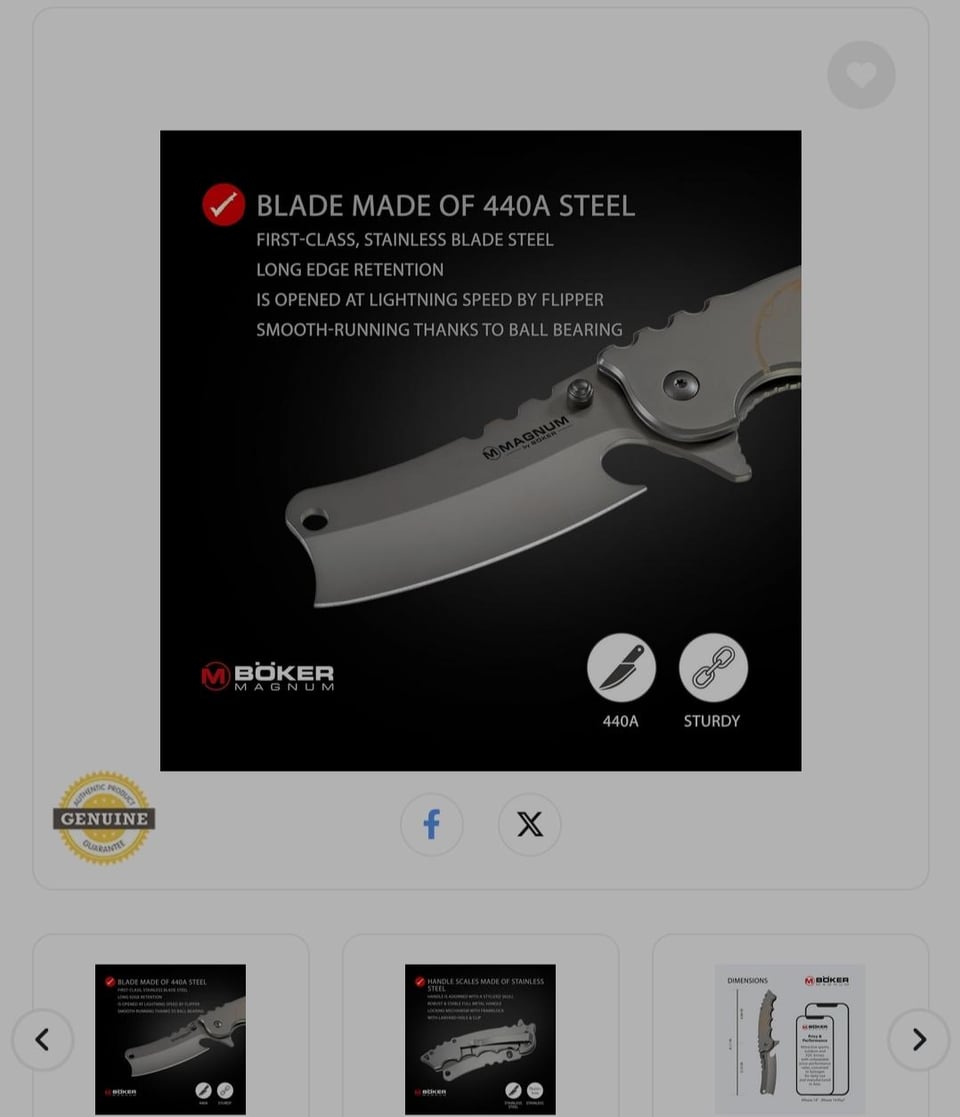
First one is a cleaver; potentially a modified cleaver due to the bottle opener choil thing
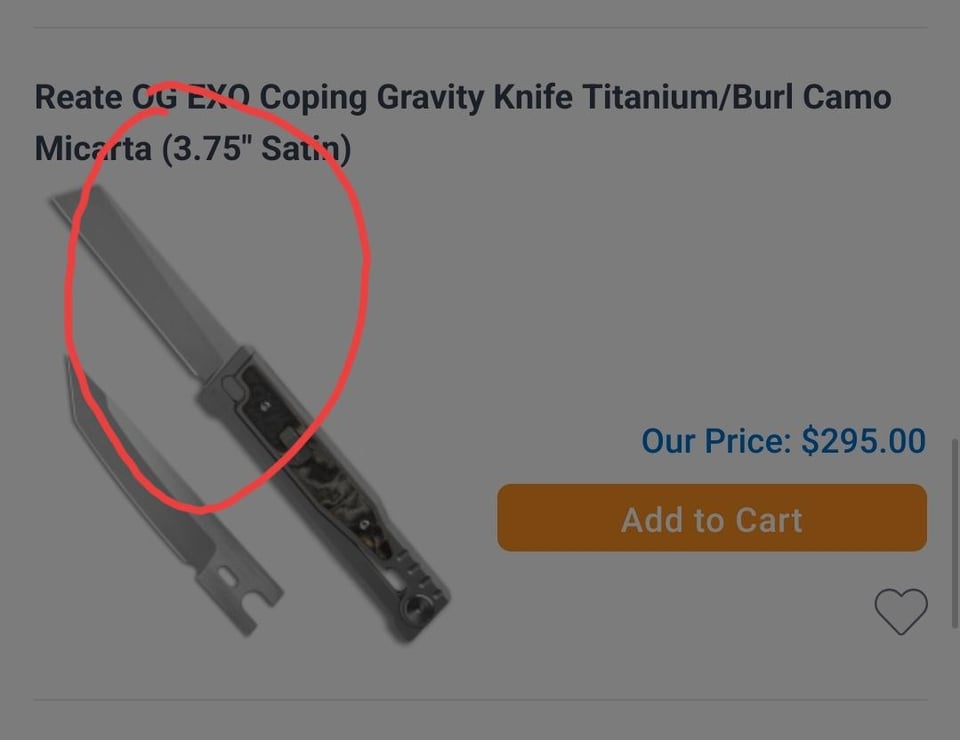
Second is probably a modified reverse tanto? It’s somewhere between a cleaver and a reverse tanto
Subverto_
First one has a sweet bottle opener.
ncfears
The blade shape when more curved like the first is usually referred to as a cleaver.
The second would probably technically be a reverse-tanto but the straight front edge is mainly seen in wharncliffe and sheepsfoot blade styles. You don’t usually see those last two “unmodified” outside of traditional knives. Usually knife makers add a very slight curve to improve slicing performance.
komang2014
First blade is cleaver or chopper style, but actual cleavers are usually big fixed blades and not a pocket knife.
cxninecrxzy
You can just call them razor-style blades. Berg Blades “Barber” is another obvious example. Otherwise they’re usually called Cleaver blades.

5 Comments
First one is a cleaver; potentially a modified cleaver due to the bottle opener choil thing
Second is probably a modified reverse tanto? It’s somewhere between a cleaver and a reverse tanto
First one has a sweet bottle opener.
The blade shape when more curved like the first is usually referred to as a cleaver.
The second would probably technically be a reverse-tanto but the straight front edge is mainly seen in wharncliffe and sheepsfoot blade styles. You don’t usually see those last two “unmodified” outside of traditional knives. Usually knife makers add a very slight curve to improve slicing performance.
First blade is cleaver or chopper style, but actual cleavers are usually big fixed blades and not a pocket knife.
You can just call them razor-style blades. Berg Blades “Barber” is another obvious example. Otherwise they’re usually called Cleaver blades.